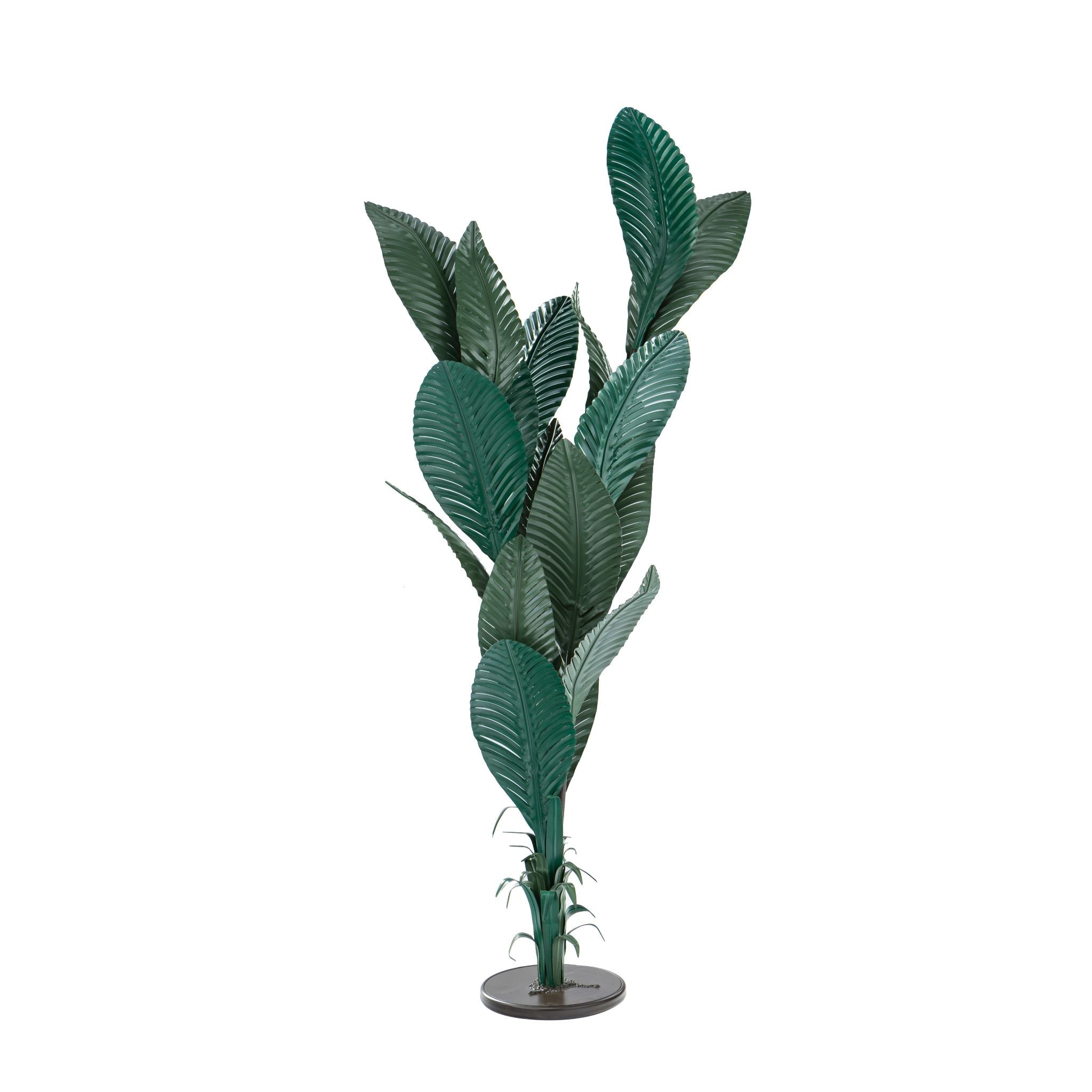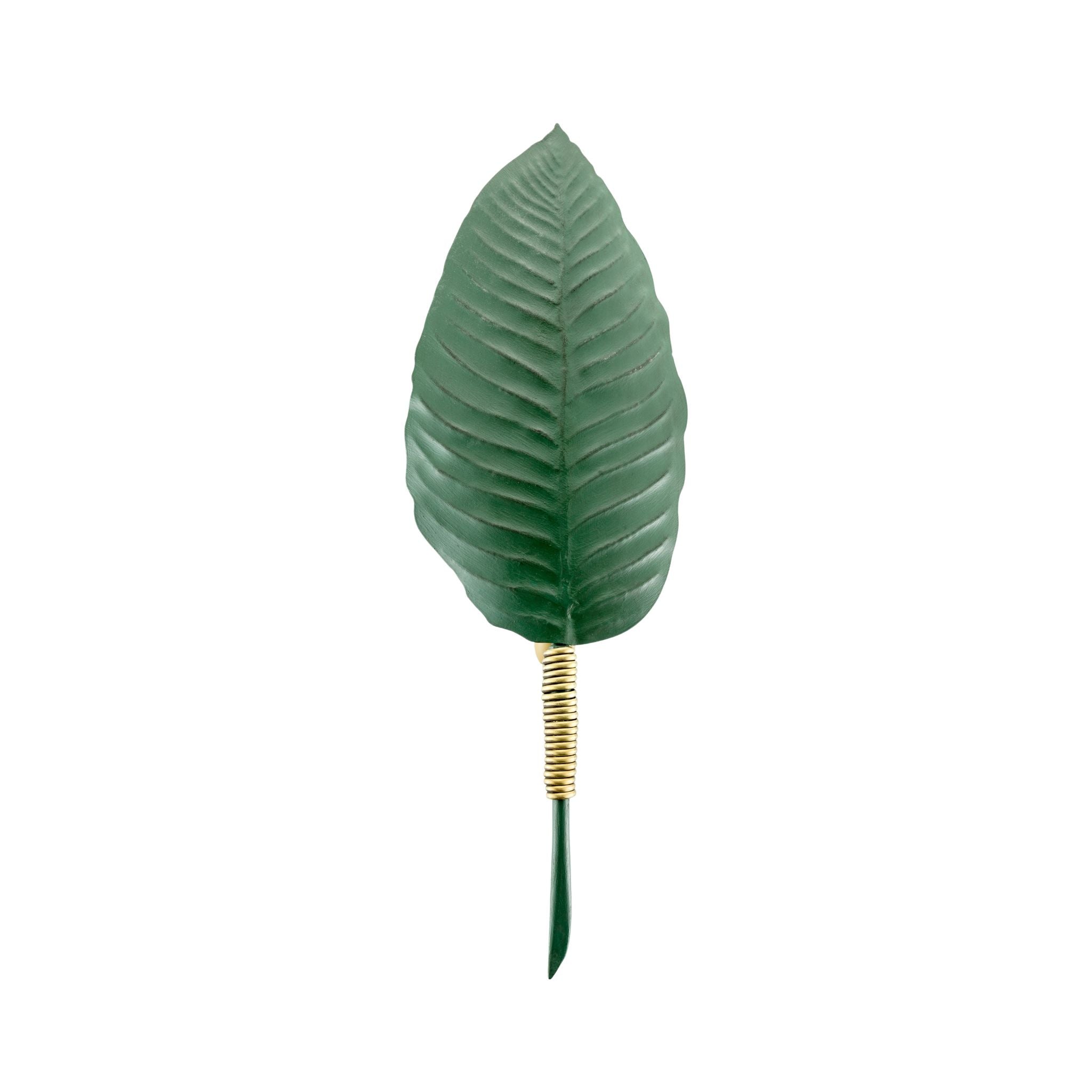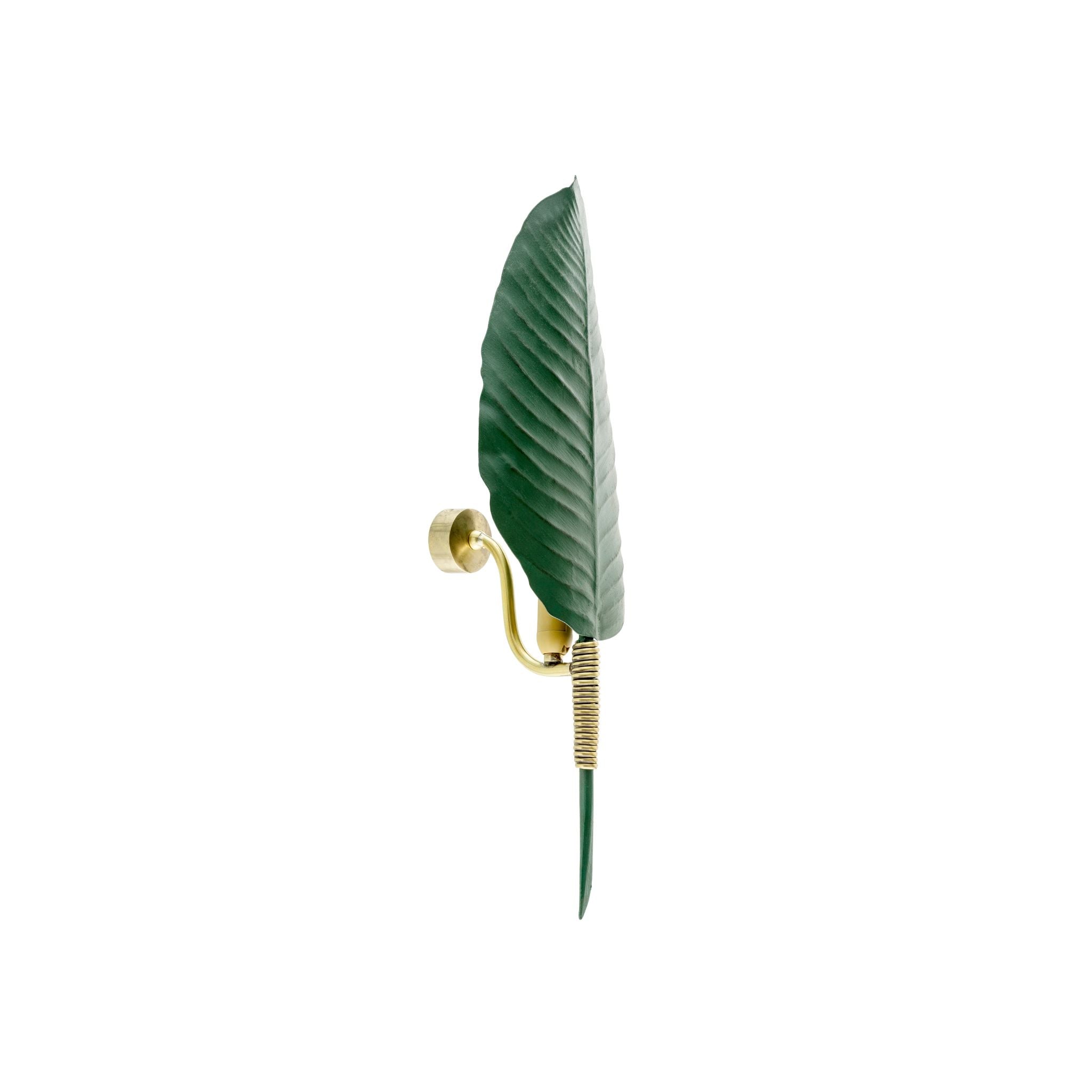


Hortus: nature is the main character
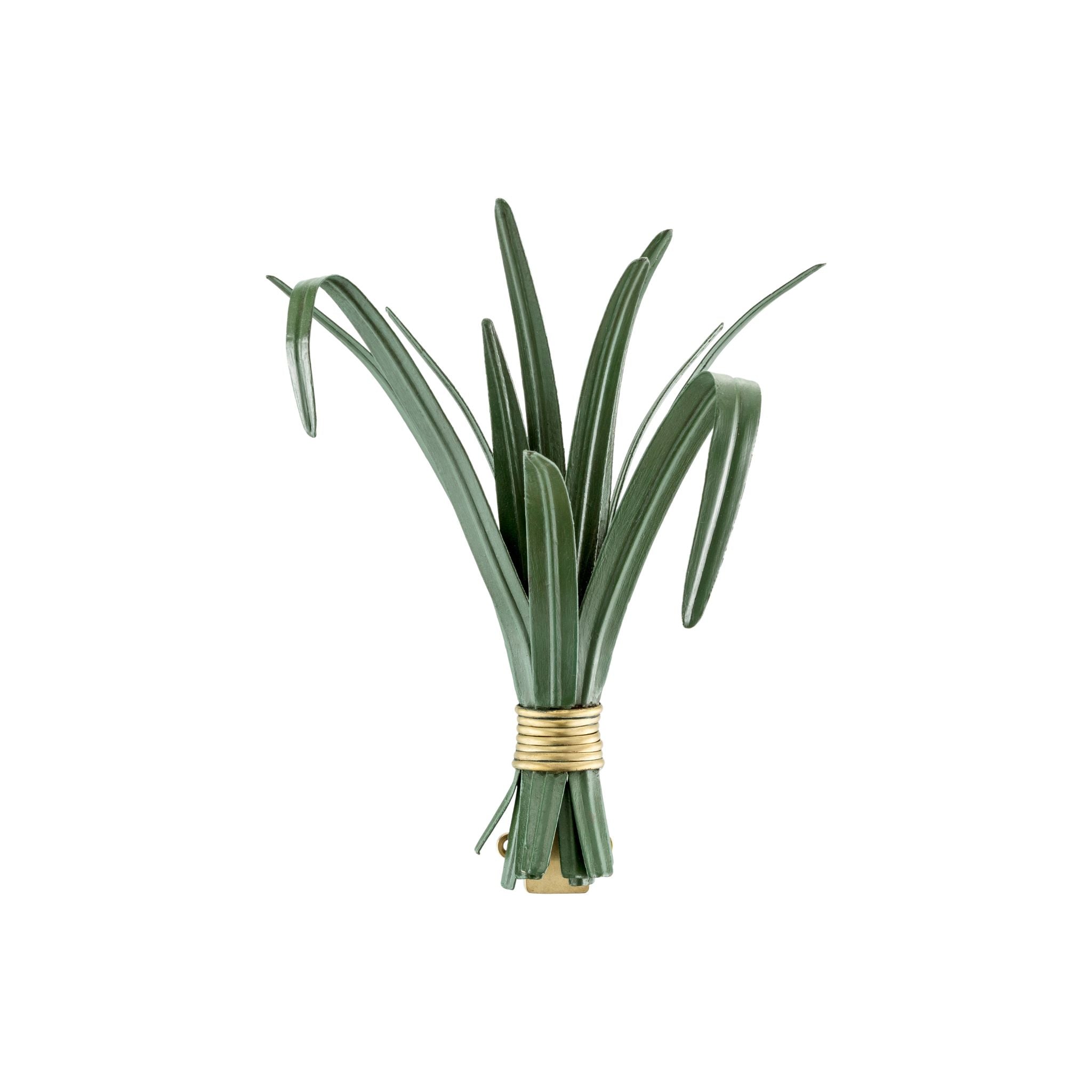
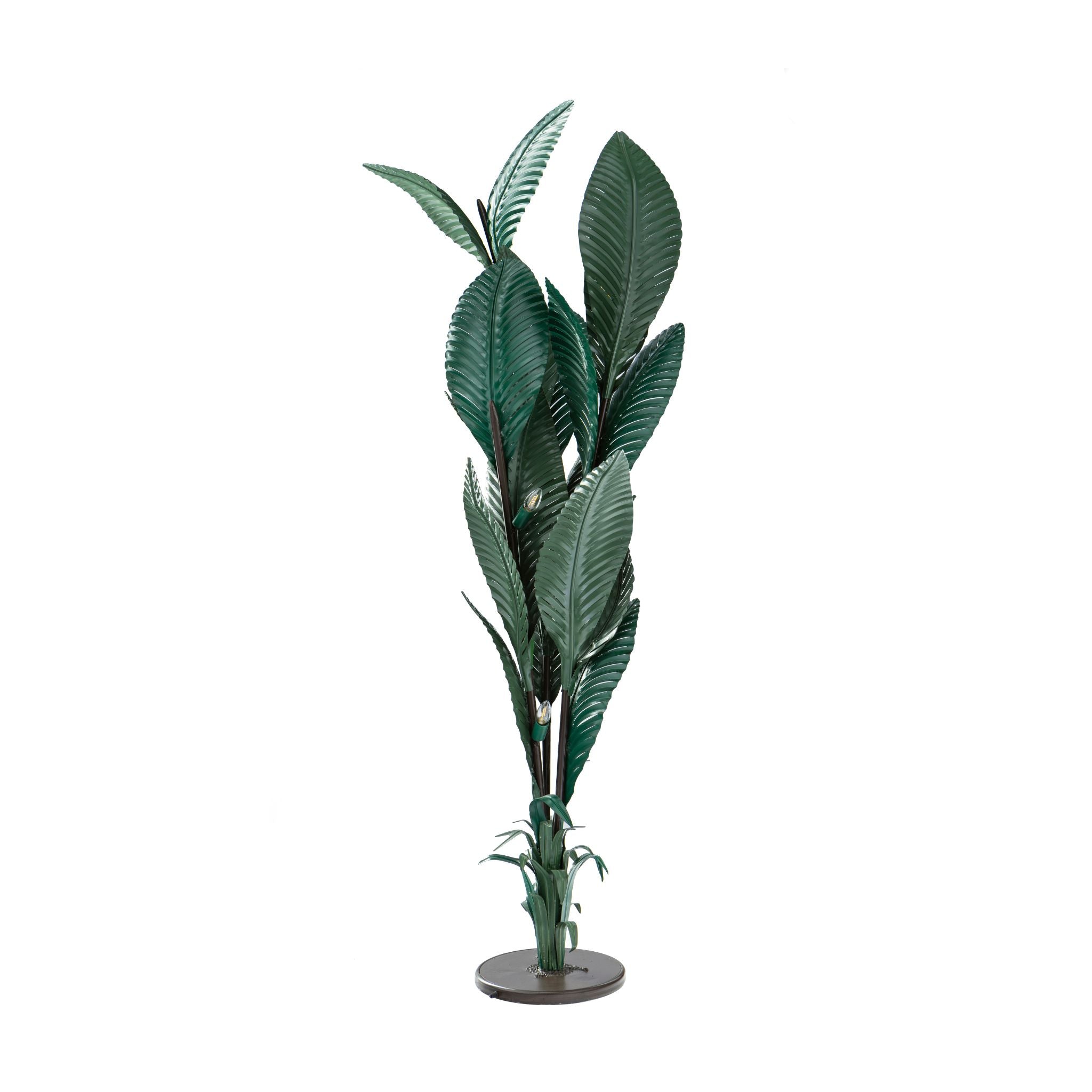
In the Eclectic collection by Brass Brothers, nature becomes the primary source of inspiration. Irregular surfaces and uneven finishes reflect the imperfect uniqueness of natural elements, giving shape to lighting pieces that reinterpret botanical forms, where leaves, stems and organic textures are translated into sculptural objects of light.

Refined Elegance
Sensuality and sophisticated elegance characterize the eclectic shapes of this line that marries the exotic taste and attention to
luxury details of modern jungle-themed atmospheres.
Nature is replicated in unique artifacts in the most natural version of brass and in the most daring processes.
It is within this context that the Hortus line emerges, a collection of lamps designed by Cecilia Pantaleo.

Crafting Nature
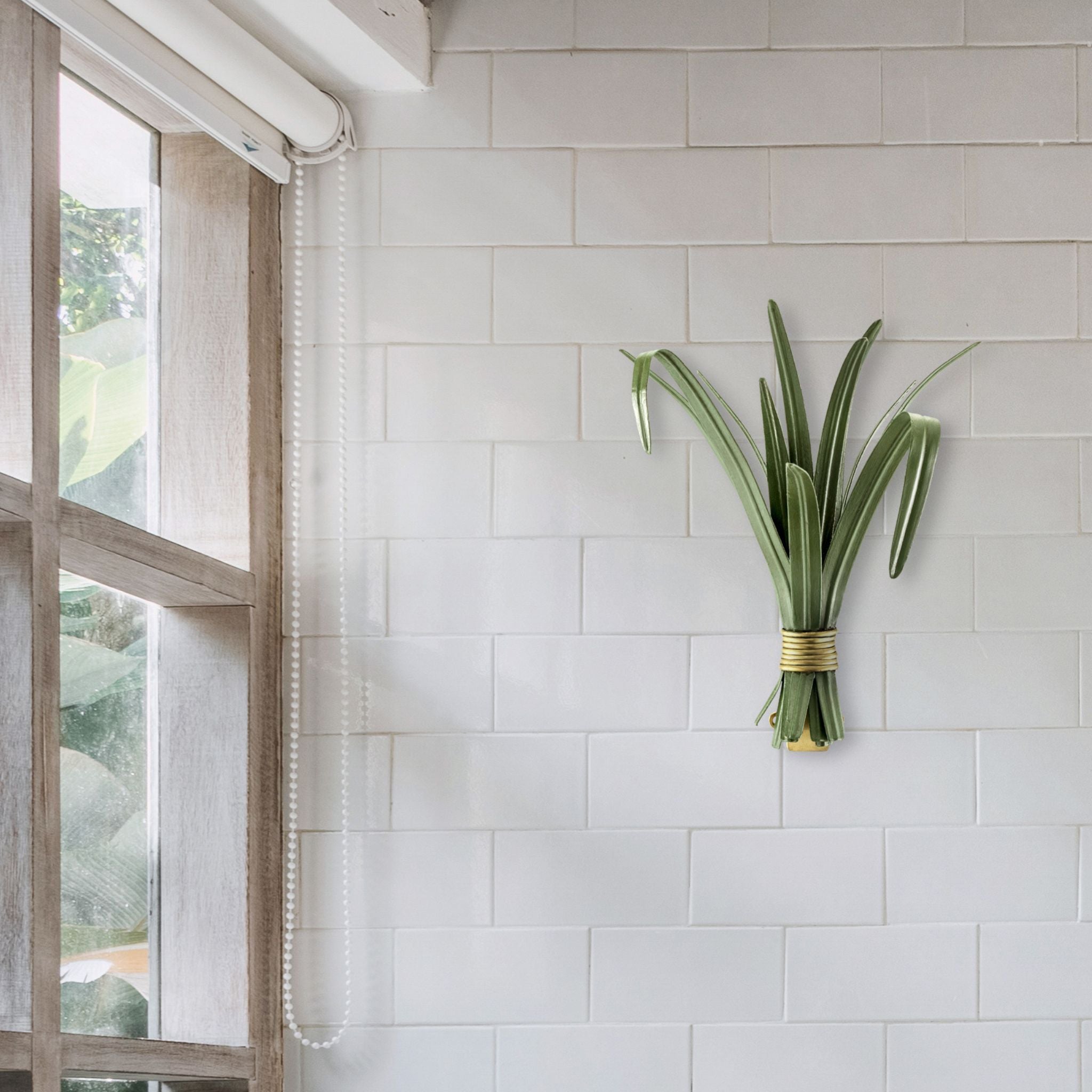
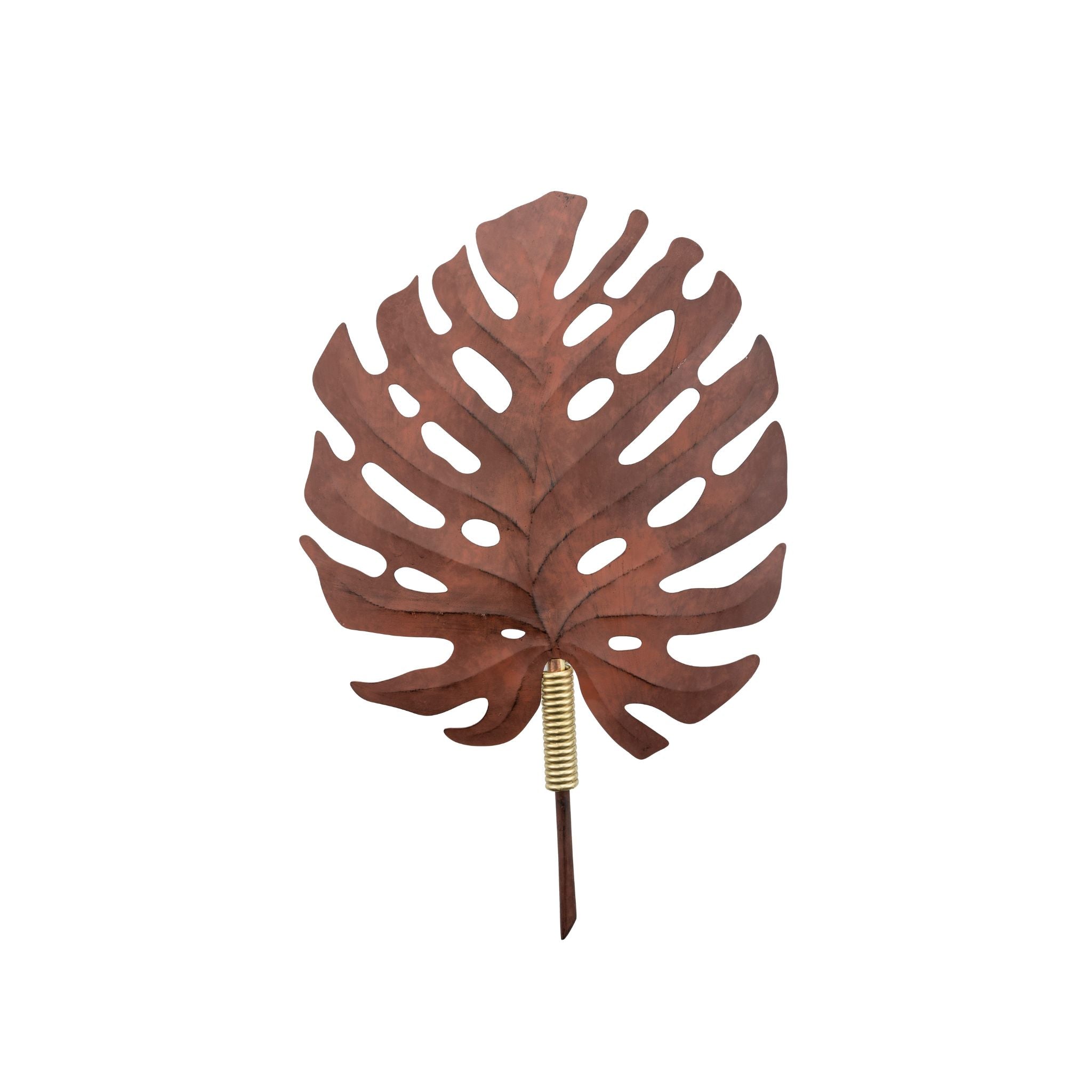
Jungle-inspired aesthetics and creativity define the applique pieces of the Hortus line, where traditional craftsmanship meets advanced technologies.
Each element takes shape from an iron sheet, laser-cut and hand-worked to achieve organic, imperfect textures. Layers of color are applied and subtly worn away, creating surfaces that echo the natural irregularity of leaves.
At the intersection between structure and decoration, a spiral in natural brass connects stem and leaf — a refined detail born from digital design, 3D prototyping and finally brought to life through the ancient technique of lost-wax casting.

The origin of Hortus
The idea behind Hortus emerged from a simple yet powerful observation: the presence of plants, even in large forms, has the ability to bring a vital energy into interior spaces.
In increasingly dense urban environments, where outdoor spaces are limited, the need to recreate a connection with nature becomes essential. Indoor plants become a way to introduce this “nature effect” into everyday life.
And yet, for Cecilia, neither real plants nor artificial ones fully answered this need.
“I don’t have a green thumb, and I’ve always disliked fake plants,” she explains.
“This led me to rethink the concept of botanical lighting — starting from the lamps that were popular in the 1970s, but reimagining them with a more authentic and contemporary sensibility.”
The goal was not to imitate nature, but to translate its presence into something that could bring both light and life into a space — introducing a touch of green into the artificiality of electricity
Hortus Family